

When Silence Hurts
Letters from Awriterstip – Week 13

When Silence Hurts
Workplace Disrespect, Depression, and the Quiet Human Need to Be Heard
Dear Readers,
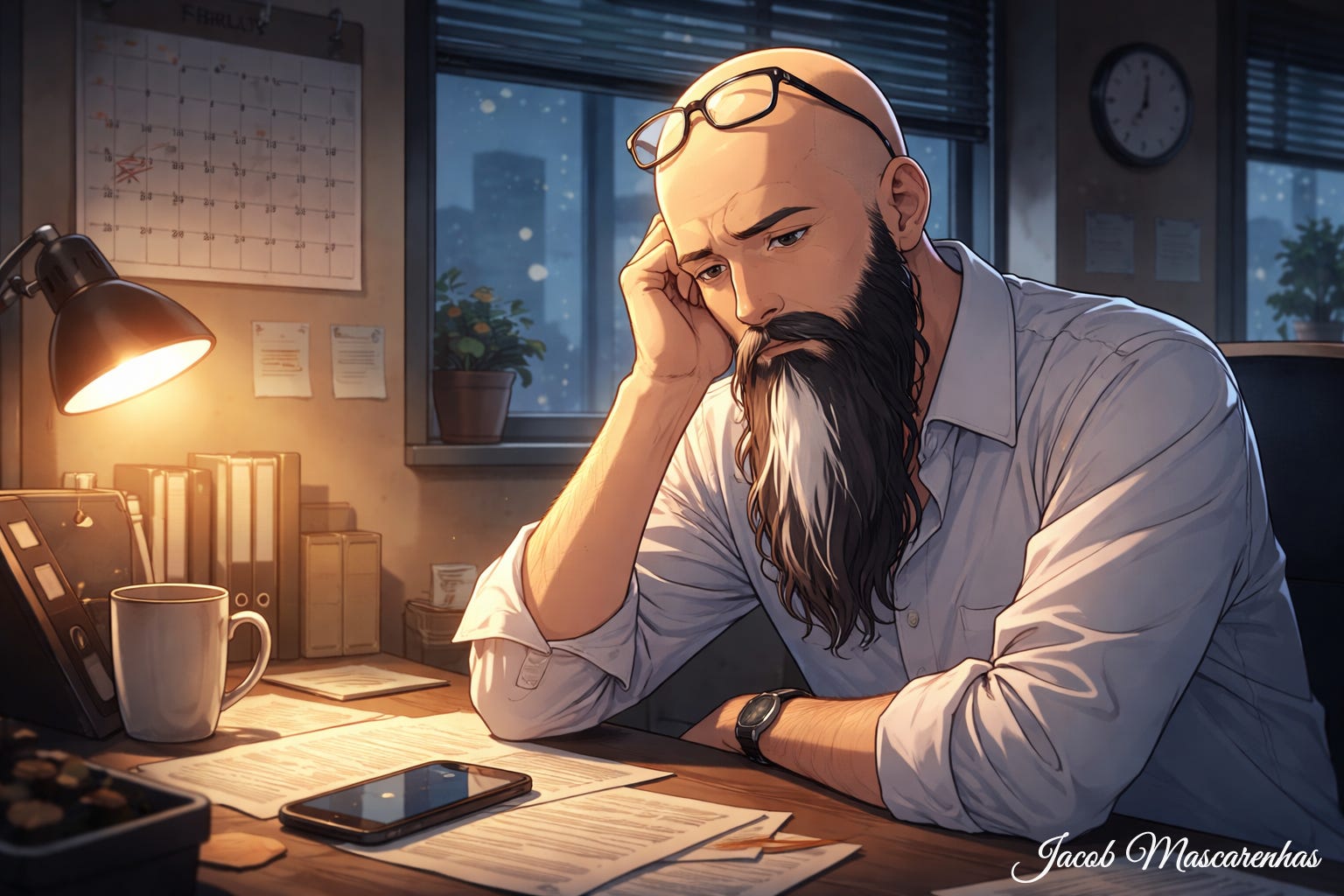
There was a time when I would stand up without hesitation. If something was right, I fought for it; if I was wrong, I admitted it and moved forward. There was clarity in that approach, a certain internal strength that came from knowing where I stood. But over time, something shifted, not only within me, but within the environments I was navigating. Disrespect became casual. Appreciation became rare. Listening became optional. And I began to notice something deeply unsettling: the strongest people are often the ones who grow tired in silence.
Depression does not always arrive as visible despair. It rarely announces itself with a dramatic collapse. More often, it begins quietly, in the erosion of dignity. It starts when a person who once spoke confidently begins to hold back, when someone who once defended what was right begins to think, “What’s the point?” That sentence is not laziness; it is emotional fatigue.
In many workplaces, disrespect is subtle. It shows up as being talked over in meetings, having ideas dismissed without consideration, watching others receive credit for your effort, feeling excluded from conversations, or sensing that your presence is tolerated rather than valued.
Each incident may seem small in isolation, but repeated over months or years, they form a steady drip that hollows confidence from the inside. The mind begins to question itself. Perhaps I am too sensitive. Perhaps I misunderstood. Perhaps I should simply remain quiet. Slowly, the person who once stood tall begins to shrink, not because they are weak, but because they are exhausted.
Chronic stress is widely recognised as a contributor to depression, but what is less discussed is the psychological damage caused by sustained loss of dignity. Human beings require autonomy, competence, and belonging to thrive. When someone is consistently dismissed, their autonomy is undermined. When their contributions are ignored, their competence is questioned. When they are excluded, their sense of belonging fractures. Without belonging, the mind searches for explanations, and too often it lands on self-blame. That is where self-doubt takes root. Over time, heavy thoughts may surface, not necessarily from a desire to disappear, but from a desire for the pain to end.
Many people who appear “fine” are simply functioning. They are completing tasks, meeting deadlines, smiling when necessary, yet carrying a quiet heaviness that few see. Certain months intensify that weight. Birthdays, for instance, are symbolic markers of existence. They are one of the few days when acknowledgement feels expected, when a simple message communicates, “You matter.”
When that day passes in silence, especially from those we hold closest, it can stir an unexpected depth of sadness. It is not childish to want to be remembered; it is profoundly human. Silence, particularly from loved ones, can feel like erasure, and erasure wounds in a way that overt hostility does not.
When people reach a low point, what they often seek is not advice but understanding. The impulse to fix, correct, compare, or minimise is strong, yet deeply counterproductive. Telling someone they are overreacting, that others have it worse, or that they should toughen up does not build resilience; it deepens isolation. What heals is presence. Listening without interruption. Responding with, “I hear you,” or “That sounds difficult,” or “Tell me more.” These phrases are simple, but they restore dignity. They signal that someone’s experience is valid enough to be heard.
Unfortunately, many who need professional support hesitate to seek it. Depression is persuasive in its distortions. It insists that one should handle everything alone, that asking for help is a weakness, and that the struggle is not serious enough to justify attention. Cultural stigma and workplace pressure compound this hesitation. As a result, some individuals who appear outwardly stable pursue therapy proactively, while others who are quietly drowning never step into a clinic. Encouraging professional help must be framed not as an indictment but as solidarity: you do not have to carry this alone.
At the same time, workplaces and families share responsibility in creating cultures of respect. Public acknowledgement of effort can repair damage that public dismissal creates. Genuine check-ins that extend beyond performance metrics can interrupt cycles of silent suffering. Leaders who model empathy foster environments where vulnerability is not punished. Friends and family who listen without judgment build emotional safety nets that catch people before they fall too far.
For those who feel they have lost their fire, it is important to remember that exhaustion is not identity. The version of you that once stood strong is not gone; it may simply be depleted. Strength does not disappear; it retreats when overused without replenishment. Reclaiming it does not require aggression or hardness. True strength lies in maintaining kindness while establishing boundaries, in choosing where to invest energy, and in walking away from repeated disrespect without surrendering self-worth. Not every battle must be fought, but dignity must always be guarded.
Emotional heaviness, especially when tied to anniversaries or unmet expectations, does not indicate failure. It signals that something within you needs acknowledgement. Writing, speaking to a trusted person, or seeking therapy are not signs of fragility; they are acts of courage. Likewise, when someone confides in us, our first task is not evaluation but attention.
One respectful conversation can alter the trajectory of someone’s week. One message on a birthday can remind someone that they are seen. One patient's ear can interrupt a spiral of self-doubt. Depression flourishes in isolation and diminishes in connection. Sometimes the strongest individuals in any room are simply waiting for someone to ask, sincerely and without judgment: Are you okay?
Until next time…
God Bless Us All…
- Jacob Mascarenhas
Author | Storyteller | Founder of AWritersTip